
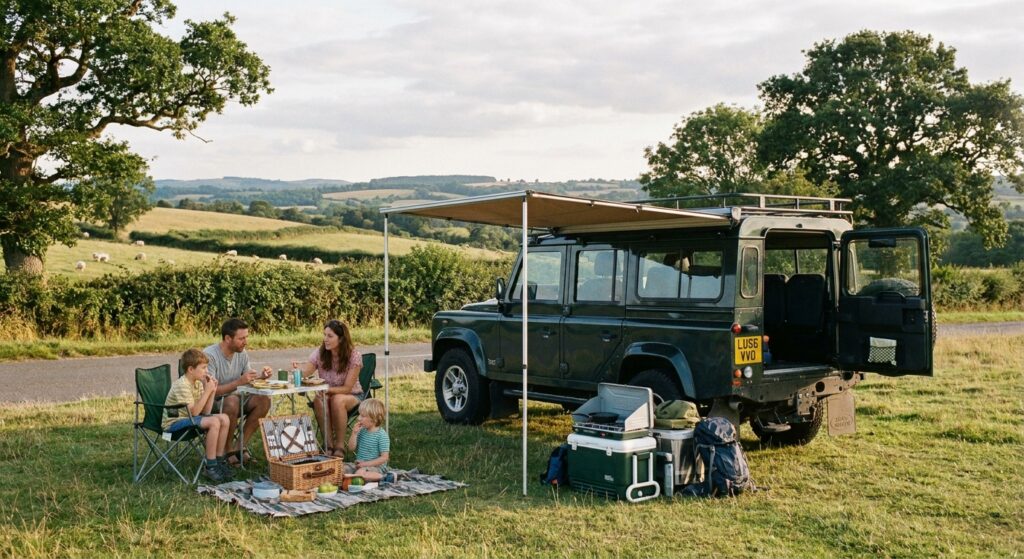
Vehicle camping opens up a world of adventure, blending the freedom of the open road with the comforts of home. Whether you’re planning a weekend escape to the Lake District or a spontaneous festival trip, having a well-prepared vehicle camping checklist ensures you’re ready for anything. This guide will help you pack smart, avoid rookie mistakes, and get the most from your outdoor experience.
What Vehicle Camping Is and Why It Matters
Vehicle camping, often called car camping, involves using your vehicle as a base for outdoor overnight stays. Unlike traditional backpacking, where you carry all your gear on your back, vehicle camping lets you bring more comforts and equipment, making it accessible to a broader range of adventurers. Whether you’re using a family SUV, a compact hatchback, or a rugged 4×4, the approach is the same: your vehicle becomes your mobile campsite, shelter, and storage all in one.
This style of camping has surged in popularity across the UK, especially as more people seek flexible, affordable ways to explore the countryside. From the Scottish Highlands to the Cornish coast, vehicle camping allows you to reach remote spots, stay dry in unpredictable weather, and enjoy spontaneous getaways without the need for complex planning or expensive gear. For families, festival goers, and outdoor enthusiasts alike, it’s a practical way to experience the outdoors with added comfort and security.
Key Benefits, Uses or Reasons People Choose Vehicle Camping
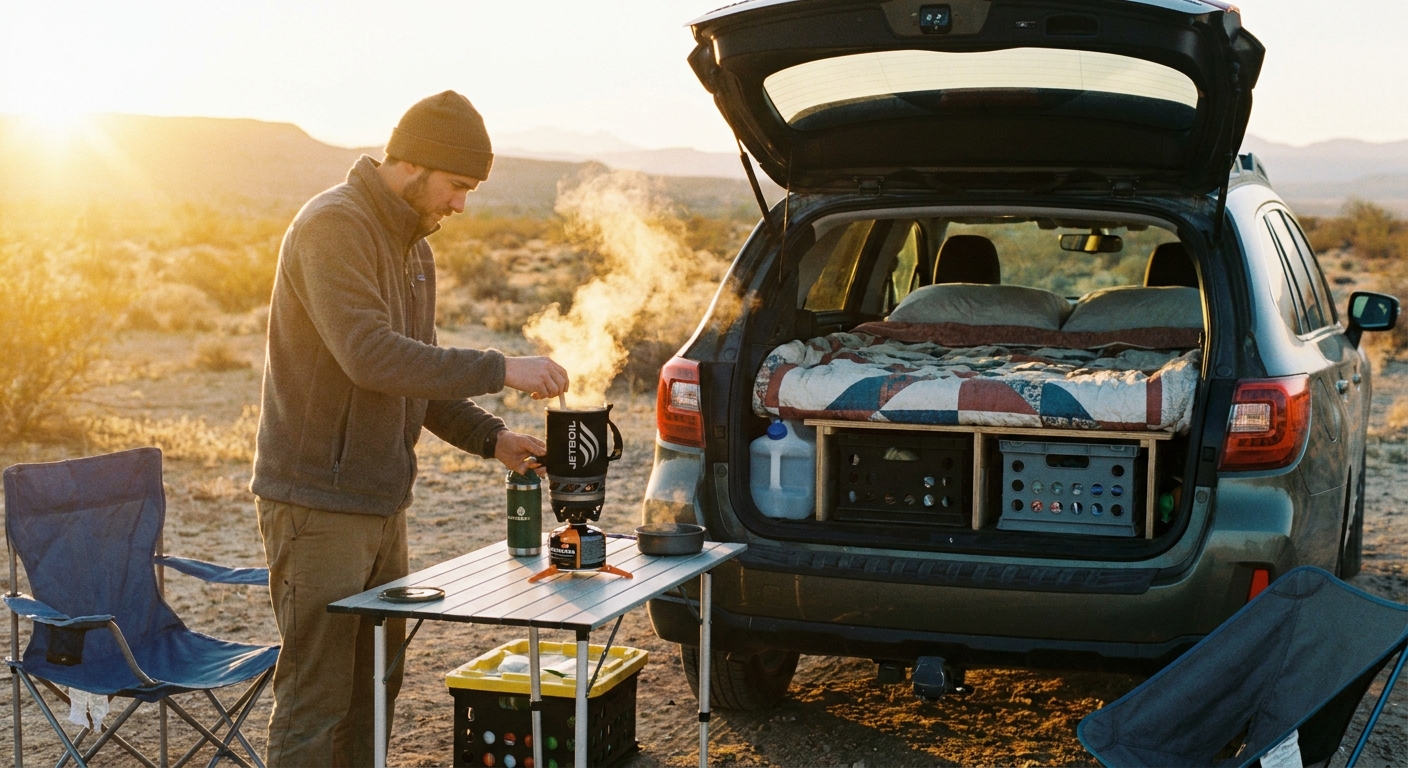
One of the biggest draws of vehicle camping is its sheer convenience. You can pack your gear directly into your car, skip the hassle of pitching a tent in the rain, and enjoy a dry, comfortable place to sleep. This flexibility is especially valuable in the UK, where the weather can change quickly and unpredictably. For example, if you arrive at a campsite and conditions aren’t ideal, you can simply drive to another location or adjust your plans on the fly.
Vehicle camping also allows you to bring more creature comforts than traditional camping. Think camp chairs, portable stoves, and even a proper mattress or air bed. This makes it ideal for families with young children, couples seeking a romantic getaway, or anyone who wants to enjoy nature without sacrificing comfort. Many campers use their vehicles as a base for hiking, fishing, photography, or simply relaxing in scenic spots, knowing they have a warm, secure place to return to at night.
Another key benefit is safety and security. Sleeping in your vehicle offers protection from wildlife, insects, and the elements, which is particularly reassuring for solo travellers or those new to camping. In recent years, vehicle camping has become popular among festival goers and overlanders who value the ability to lock up their gear and sleep soundly, even in busy or unfamiliar locations. This peace of mind, combined with the freedom to explore, makes vehicle camping an appealing choice for a wide range of outdoor enthusiasts.
Important Things to Know Before You Start or Buy
Before you embark on your first vehicle camping trip, it’s crucial to understand a few key considerations. First, not all vehicles are equally suited to camping. While most cars can be adapted with the right gear, larger vehicles like SUVs and vans offer more space and flexibility. Think about your sleeping arrangements, storage needs, and whether you’ll need to modify your vehicle with accessories like roof racks or tailgate tents. Planning ahead will help you avoid last-minute surprises and ensure a comfortable experience.
Another common beginner mistake is overpacking or bringing the wrong type of gear. It’s tempting to load up your car with every gadget and comfort, but space is still limited. Focus on multi-purpose items and essentials: a reliable sleeping system, weather-appropriate clothing, and a compact cooking setup. Remember, the goal is to strike a balance between comfort and practicality. Overloading your vehicle can make setup more stressful and reduce fuel efficiency, so pack thoughtfully.
Finally, be aware of legal and practical limitations. In the UK, wild camping laws vary by region, and not all car parks or lay-bys allow overnight stays. Always check local regulations and choose designated campsites or approved wild camping spots where possible. Respect the environment by following Leave No Trace principles, and be considerate of other campers and landowners. A little research goes a long way in ensuring a smooth, enjoyable trip without unexpected hassles.
How to Choose the Right Vehicle Camping Gear
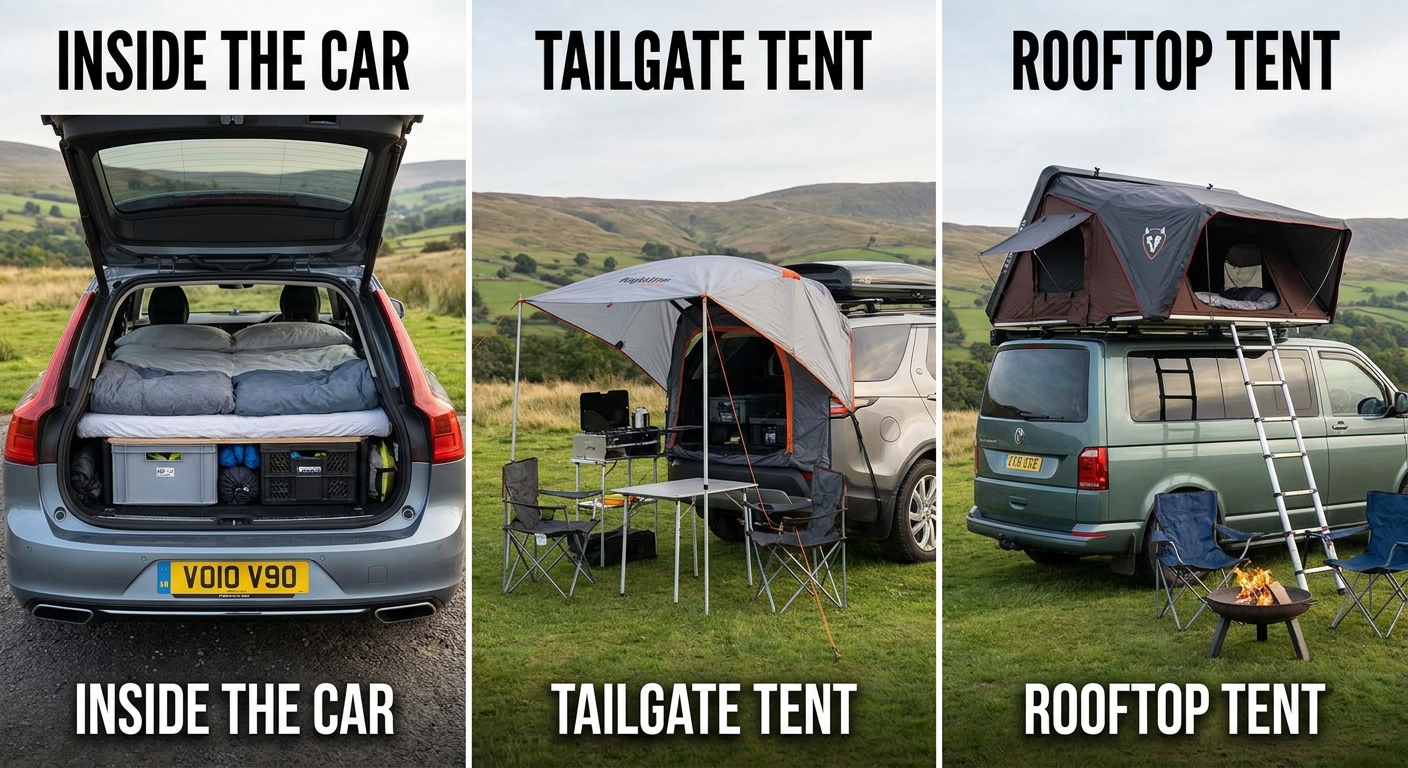
Selecting the right gear is essential for a successful vehicle camping experience. Start with your shelter: will you sleep inside the vehicle, use a tailgate tent, or opt for a rooftop tent? Each option has its pros and cons. Sleeping inside offers maximum security and weather protection, but may be cramped for taller campers or families. Tailgate tents, like those reviewed in our Ultimate SUV Tent Buyer’s Guide, expand your living space and offer easy access to your boot for storage and cooking.
Next, consider your sleeping system. A quality air mattress or self-inflating pad can make all the difference in comfort, especially on uneven ground. Look for options that fit your vehicle’s dimensions and offer good insulation for colder nights. For cooking, portable stoves and compact cookware are ideal. Choose equipment that’s easy to set up and clean, and don’t forget essentials like water storage, utensils, and a reliable cooler or fridge for perishables.
When comparing gear, pay attention to durability, pack size, and ease of use. Read reviews, watch demonstration videos, and, if possible, test items before your trip. Investing in well-made products saves money in the long run and reduces the risk of gear failure in the field. For those new to vehicle camping, starter kits or curated checklists can help ensure you don’t overlook important items. As your experience grows, you’ll refine your setup to match your unique needs and preferences.
How to Put Up a Tailgate TentHasika Tailgate Tent Review
Common Mistakes and How to Avoid Them
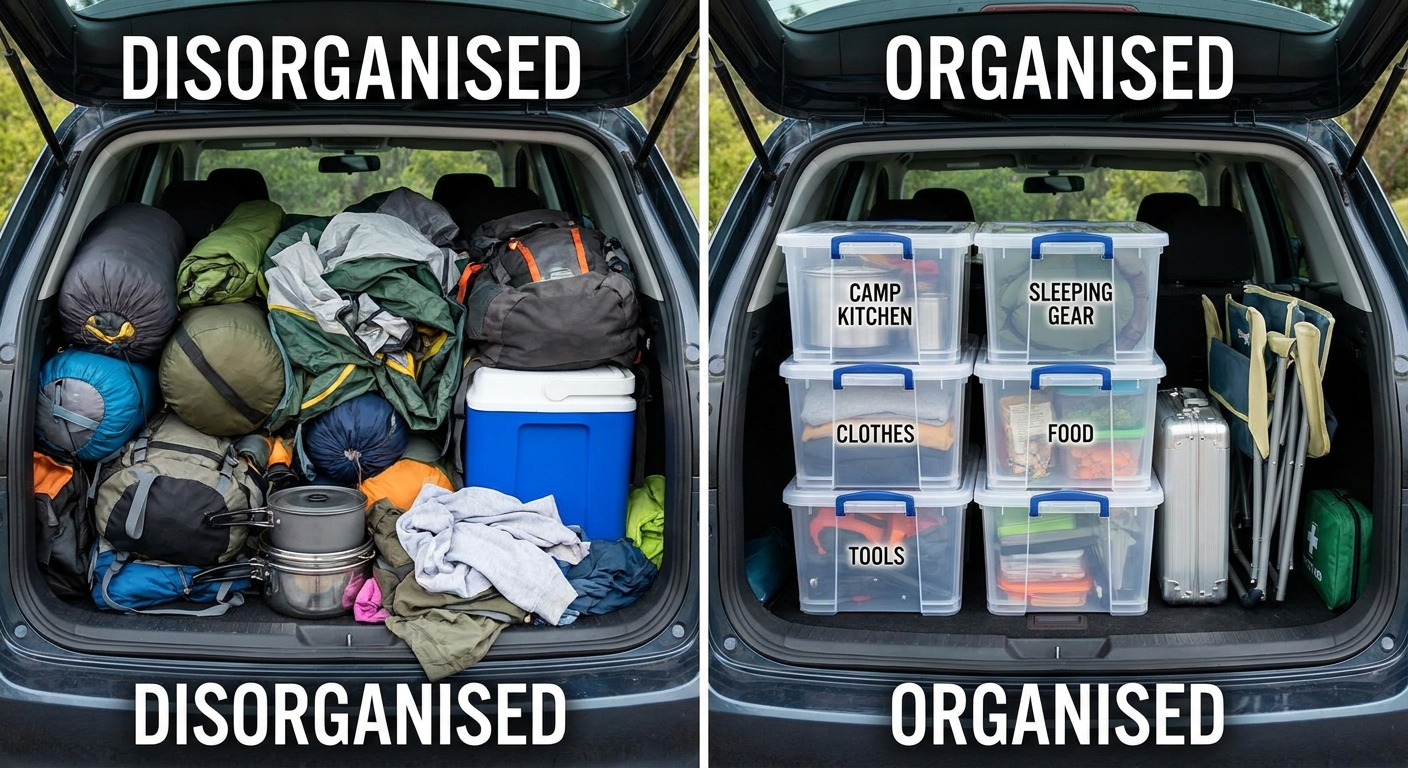
One of the most frequent mistakes new vehicle campers make is underestimating the importance of organisation. It’s easy for your car to become cluttered with gear, making it difficult to find essentials when you need them. To avoid this, use storage bins, organisers, and packing cubes to keep everything tidy and accessible. Plan your packing so that frequently used items are within easy reach, and reserve a dedicated space for rubbish and recycling to keep your campsite clean.
Another common pitfall is neglecting to check your vehicle’s condition before setting off. A flat battery, low tyre pressure, or faulty lights can quickly derail your adventure. Always perform a basic vehicle check before departure, including fluid levels, spare tyre, and emergency kit. Additionally, don’t overlook campsite etiquette and local regulations. Arriving late at night, making excessive noise, or leaving litter behind can spoil the experience for others and harm the environment. By planning ahead and respecting your surroundings, you’ll ensure a positive experience for yourself and fellow campers.
Ultimate SUV Tent Buyer’s Guide
Frequently Asked Questions
What are the absolute essentials for a vehicle camping trip?
At a minimum, you’ll need a comfortable sleeping system (such as a mattress or sleeping bag), weather-appropriate clothing, a portable stove or cooking kit, water storage, lighting, and a first aid kit. Tailgate tents or awnings can add comfort and space, but focus on the basics first.
Can I camp anywhere in my vehicle in the UK?
No, wild camping laws vary across the UK. Always check local regulations, use designated campsites where possible, and seek permission if you plan to camp on private land. Some car parks and lay-bys allow overnight stays, but restrictions may apply.
How do I keep my vehicle organised during a camping trip?
Use storage bins, packing cubes, and organisers to separate gear by category. Keep frequently used items accessible and designate a spot for rubbish. Regularly tidy up to prevent clutter and make packing up easier at the end of your trip.
Is a tailgate tent necessary for vehicle camping?
While not essential, a tailgate tent can greatly enhance comfort by providing extra space for sleeping, cooking, or relaxing. It’s especially useful in wet weather or when camping with family or friends. Choose one that fits your vehicle and is easy to set up.
A well-planned vehicle camping checklist is your ticket to stress-free outdoor adventures, whether you’re heading to a remote national park or a lively festival. By understanding the essentials, avoiding common mistakes, and choosing the right gear for your needs, you’ll enjoy greater comfort, flexibility, and peace of mind on every trip. Ready to take your vehicle camping setup to the next level? Explore our expert guides and reviews to find the perfect gear for your next adventure.