
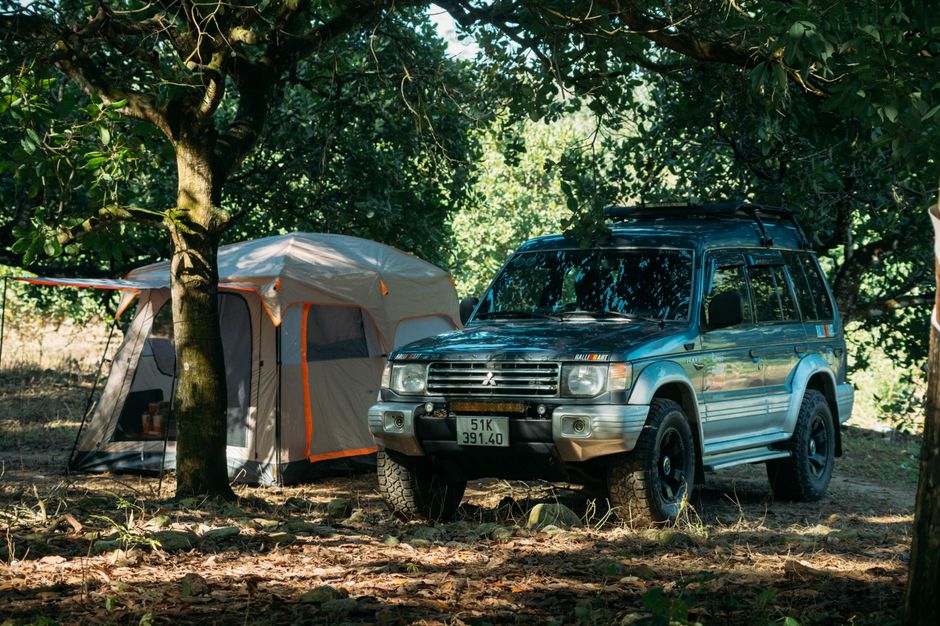
The Ultimate SUV Tent Buyer’s Guide: Expert Reviews and Top Picks
SUV tents have revolutionized car camping by transforming your vehicle into the foundation of a complete outdoor shelter system. These innovative tents attach directly to your SUV, creating expanded living space while providing the convenience of having your gear and supplies just steps away. Whether you’re planning weekend getaways or extended camping adventures, choosing the right SUV tent can make the difference between a cramped, uncomfortable experience and a spacious, enjoyable outdoor retreat.
This comprehensive guide will walk you through everything you need to know about selecting the perfect SUV tent for your needs. From understanding different tent styles to evaluating key features and setup requirements, we’ll cover the essential factors that separate outstanding products from mediocre ones. By the end of this guide, you’ll have the knowledge to make an informed decision that enhances your camping experiences for years to come.
Understanding SUV Tent Types and Configurations
SUV tents come in several distinct configurations, each designed to serve different camping styles and vehicle types. Understanding these variations is crucial for selecting a tent that matches your specific needs and vehicle compatibility.
Tailgate Tents
Tailgate tents represent the most popular category of SUV camping shelters. These tents attach to the rear of your vehicle, creating a seamless connection between your cargo area and the tent interior. The design allows you to keep your tailgate open, effectively extending your vehicle’s storage space into the tent. This configuration works exceptionally well for SUVs, pickup trucks, and larger crossover vehicles with substantial rear openings.
The primary advantage of tailgate tents lies in their convenience factor. You can easily access gear stored in your vehicle without leaving the shelter, making them ideal for inclement weather camping. Additionally, the elevated sleeping area created by your vehicle’s cargo space provides natural separation from ground moisture and insects.
Side-Attachment Tents
Side-attachment tents connect to the side doors of your SUV, offering a different approach to vehicle-based camping. These tents typically feature a tunnel or vestibule design that creates a protected pathway from your vehicle to the main tent area. This configuration works well when you need to maintain access to your vehicle’s rear cargo area for other purposes.
Side-attachment designs excel in situations where you’re camping in areas with limited rear access or when traveling with multiple vehicles that need to park close together. They also provide excellent protection from wind and rain when positioned correctly relative to prevailing weather patterns.
Drive-Through Tents
Drive-through tents offer the most spacious option, allowing you to drive your entire SUV into the tent structure. These large shelters essentially create a garage-like environment where your vehicle becomes part of the protected camping area. While less common due to their size and complexity, drive-through tents provide unmatched convenience for extended camping trips or base camp scenarios.
The main drawbacks of drive-through tents include their substantial weight, complex setup requirements, and higher cost. However, for serious overlanders or those planning extended stays in challenging weather conditions, the investment can be worthwhile.
Essential Features to Consider
Material Quality and Weather Resistance
The fabric quality of your SUV tent directly impacts its durability, weather resistance, and long-term performance. Look for tents constructed with ripstop polyester or nylon materials with waterproof ratings of at least 2000mm. Higher-quality tents often feature 3000mm or greater waterproof ratings, providing superior protection during heavy rainfall.
Pay particular attention to the tent’s floor material, as this component faces the most abuse from moisture, abrasion, and punctures. Heavy-duty polyethylene or reinforced polyester floors with welded seams offer the best durability for frequent use.
Attachment Systems and Vehicle Compatibility
The attachment mechanism represents one of the most critical aspects of SUV tent design. Quality tents feature adjustable attachment systems that accommodate various vehicle heights, tailgate sizes, and door configurations. Look for tents with multiple adjustment points and reinforced connection hardware that can handle wind stress without damaging your vehicle’s paint or weather sealing.
Universal attachment systems offer the most flexibility, allowing you to use the same tent with different vehicles over time. However, vehicle-specific designs often provide better fit and finish if you plan to use the tent exclusively with one SUV model.
Interior Space and Layout
Consider both floor space and headroom when evaluating tent size. While manufacturers provide square footage measurements, the actual usable space can vary significantly based on tent shape and design. Dome-style tents typically offer better headroom in the center but reduced space near the walls, while cabin-style designs provide more consistent interior height throughout.
Look for tents with pre-positioned gear lofts, hanging organizers, and storage pockets that help maximize usable floor space. Interior lighting attachment points and electrical cord management features add significant convenience for extended camping trips.
Setup and Installation Considerations
Assembly Complexity and Time Requirements
Setup time varies dramatically between different SUV tent models, ranging from 10 minutes for simple designs to over an hour for complex systems. Consider your typical camping scenarios when evaluating setup complexity. If you frequently make overnight stops during long road trips, prioritize tents with quick, straightforward assembly processes.
Pay attention to the number of stakes, guylines, and separate components required for setup. Fewer pieces generally mean faster assembly and reduced risk of losing critical parts. However, don’t sacrifice stability for convenience – adequate guyline attachment points are essential for wind resistance.
Storage and Transportation
SUV tents require significantly more storage space than traditional backpacking tents, both during transport and when stored at home. Packed dimensions typically range from large duffel bag size to substantial storage containers weighing 40-80 pounds or more.
Consider whether the packed tent will fit comfortably in your SUV along with other camping gear. Some overlanders mount roof boxes specifically to accommodate their tent storage needs, while others dedicate significant cargo space to tent transportation.
Performance in Different Conditions
Weather Resistance and Seasonality
Most SUV tents are designed for three-season use, providing adequate protection during spring, summer, and fall camping. However, their large size and attachment to vehicles create unique challenges in extreme weather conditions. High winds can stress attachment points and create lifting forces that traditional ground tents don’t experience.
For four-season camping or use in consistently harsh conditions, look for tents with reinforced guy-out points, stronger pole materials, and enhanced weatherproofing. Some manufacturers offer specific cold-weather models with features like snow skirts and reinforced attachment hardware.
Ground Conditions and Site Selection
SUV tents require relatively level ground and adequate space for both your vehicle and the tent footprint. Unlike traditional tents that can be positioned around obstacles, vehicle-attached tents limit your campsite options based on where your SUV can safely park.
Consider the tent’s ground clearance requirements, especially for models that attach low on your vehicle. Rough or rocky terrain can damage tent floors or make setup impossible. Built-in or available footprints provide additional ground protection and extend tent life in challenging conditions.
Budget Considerations and Value Assessment
Price Ranges and Feature Correlation
SUV tents span a wide price range, from budget models under $200 to premium systems exceeding $1000. Generally, price correlates with material quality, weather resistance, and feature sophistication. However, expensive doesn’t always mean better for your specific needs.
Budget tents often sacrifice durability and weather resistance for affordability. While adequate for occasional fair-weather camping, they may disappoint serious overlanders or frequent campers. Mid-range options typically offer the best balance of features, quality, and value for most users.
Long-Term Value and Durability
Consider the cost per camping trip when evaluating tent investments. A higher-quality tent that lasts for hundreds of camping nights often provides better value than multiple cheaper replacements. Factor in the inconvenience and expense of tent failure during remote camping trips when making your decision.
Look for manufacturers offering comprehensive warranties and replacement part availability. These factors indicate company confidence in their products and ensure long-term usability even if minor components fail.
Maintenance and Care
Cleaning and Storage Protocols
Proper maintenance significantly extends SUV tent lifespan and maintains performance. After each camping trip, allow the tent to completely dry before packing to prevent mold and mildew formation. This may require setting up the tent at home if you packed it damp due to weather conditions.
Clean the tent regularly with mild soap and water, paying particular attention to zippers and attachment hardware. Avoid harsh chemicals or abrasive cleaning methods that can damage waterproof coatings or fabric treatments.
Repair and Replacement Parts
Learn basic tent repair techniques and carry appropriate repair supplies during camping trips. Small tears, broken zippers, or damaged stakes can often be field-repaired with the right tools and materials. Many manufacturers provide repair kits specifically designed for their tent materials.
Identify critical replacement parts and their availability before purchasing. Specialized attachment hardware or custom-designed poles may have long lead times or high replacement costs if damaged.
Making Your Final Decision
Selecting the perfect SUV tent requires balancing multiple factors including your camping style, vehicle compatibility, budget constraints, and performance expectations. Start by clearly defining your primary use cases – weekend car camping requires different features than extended overlanding expeditions.
Consider renting or borrowing different tent styles before making a major purchase. This hands-on experience provides invaluable insights into setup procedures, space utilization, and feature importance that specifications alone cannot convey.
Remember that the best SUV tent is the one you’ll actually use consistently. A slightly heavier or more expensive tent that sets up quickly and reliably will serve you better than a lighter, cheaper option that discourages frequent camping due to setup frustration.
Focus on proven designs from established manufacturers with strong customer support networks. The outdoor gear community provides excellent feedback through online forums and review platforms – leverage this collective experience when making your final selection.
Your SUV tent investment will likely serve you for many years of camping adventures. Take the time to research thoroughly, prioritize features that match your camping style, and choose a tent that enhances rather than complicates your outdoor experiences. With the right selection, your SUV tent will become an essential component of your camping gear arsenal, opening up new possibilities for comfortable and convenient outdoor adventures.