
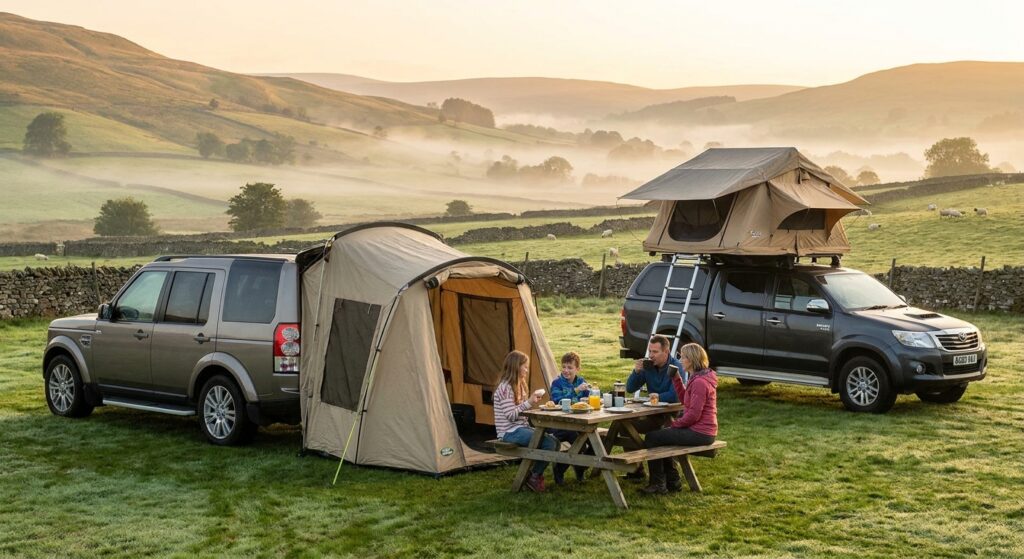
Choosing between a tailgate tent and a roof tent can transform your camping experience, but the right option depends on your unique needs and style of adventure. Both offer distinct advantages for outdoor enthusiasts, from weekend campers to festival goers. In this guide, we’ll break down the differences, benefits, and practical considerations to help you make an informed decision for your next trip.
What Tailgate and Roof Tents Are and Why They Matter
Tailgate tents and roof tents have become increasingly popular among campers and outdoor lovers across the UK and beyond. A tailgate tent attaches to the rear of your vehicle, creating an extended sheltered space that blends seamlessly with your boot. This setup is ideal for those who want quick access to their car’s storage, added living space, and a comfortable area for relaxing or sleeping. Roof tents, on the other hand, are mounted on top of your vehicle, unfolding into a raised sleeping platform that keeps you off the ground and away from damp or uneven terrain.
Understanding the difference between these two options is crucial for anyone looking to enhance their outdoor adventures. Whether you’re planning a family camping holiday in the Lake District, a fishing trip on the coast, or a weekend at a music festival, the type of tent you choose will directly impact your comfort, convenience, and overall enjoyment. The right shelter can turn a basic trip into a memorable experience, offering protection from the unpredictable British weather and creating a home-from-home wherever you park up.
Key Benefits, Uses and Reasons People Choose Each Option
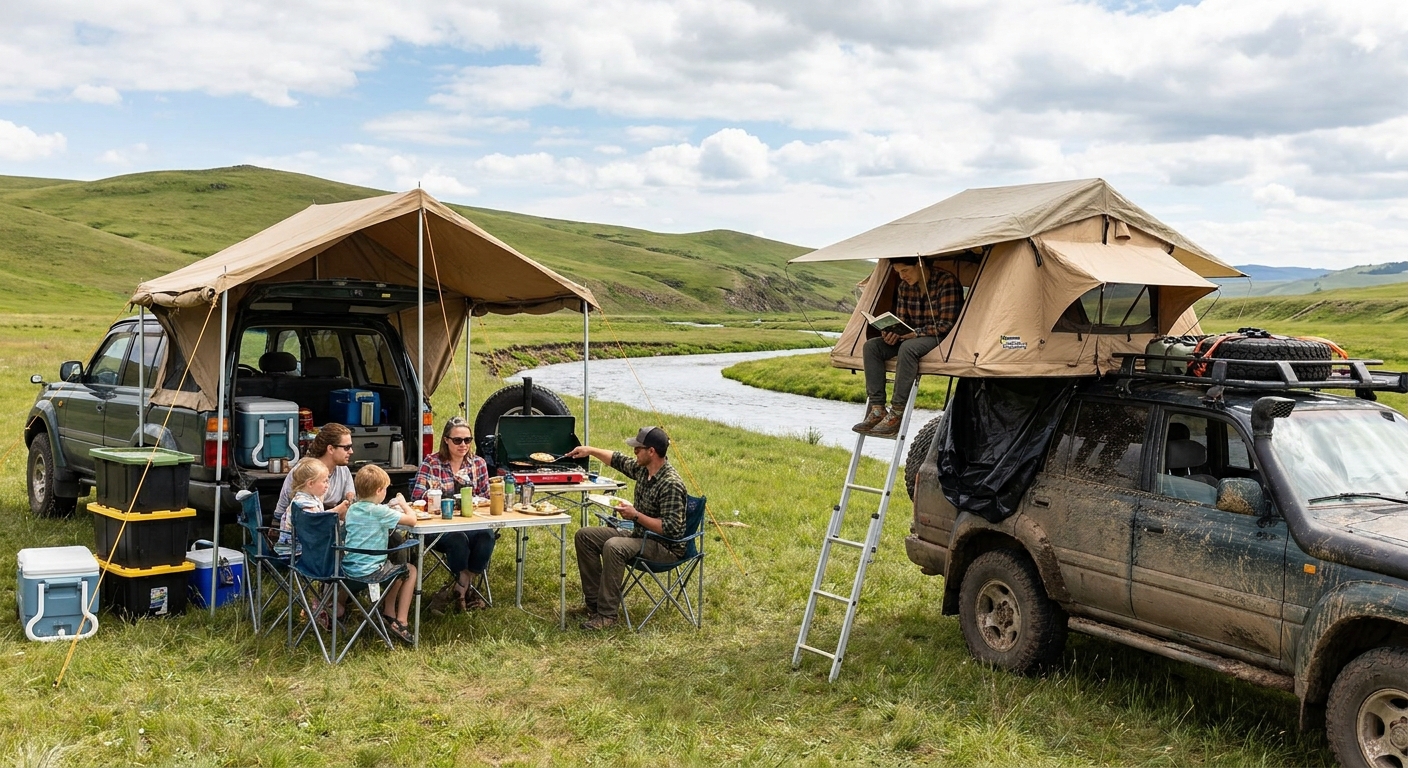
Tailgate tents are prized for their versatility and ease of use. They’re particularly popular with families, anglers, and festival goers who appreciate the extra space for changing clothes, storing gear, or sheltering from sudden rain showers. For example, a family might use a tailgate tent as a play area for children during a picnic, while overlanders enjoy the convenience of having a shaded kitchen or lounge area attached to their SUV. The ability to quickly set up and pack away a tailgate tent makes it a favourite for those who value flexibility and minimal fuss.
Roof tents, meanwhile, offer a unique elevated sleeping experience that appeals to adventurers seeking comfort and security. Sleeping above ground means you’re less likely to encounter insects, mud, or unexpected puddles after a night of rain. Many modern roof tents come with built-in mattresses and ventilation, providing a cosy retreat after a day of hiking or exploring. For solo travellers or couples, the quick deployment and panoramic views from a roof tent can make every campsite feel special.
Both options cater to different priorities. Tailgate tents excel at creating multi-purpose spaces for socialising, cooking, or gear storage, making them ideal for group outings or longer stays. Roof tents, on the other hand, are perfect for those who want to maximise sleeping comfort and mobility, especially when moving between sites frequently. Ultimately, your choice will depend on how you like to camp, the size of your group, and the type of adventures you enjoy most.
Important Things to Know Before You Start or Buy
Before investing in a tailgate tent or roof tent, it’s essential to consider your vehicle type and compatibility. Not all tents fit every car, van, or SUV, and roof tents in particular require sturdy roof bars and a suitable weight limit. Double-check your vehicle’s specifications and consult the tent manufacturer’s guidelines to avoid disappointment or safety issues. For tailgate tents, ensure your boot opens in a way that allows for a secure attachment and easy access.
Another common beginner mistake is underestimating the impact of weather and terrain. While both tent types offer protection, roof tents can be more exposed to wind, while tailgate tents may struggle on uneven ground or in heavy rain if not properly sealed. Think about the conditions you’re most likely to encounter and choose a tent with features like waterproof fabrics, strong zips, and effective ventilation. Investing in quality now can save you hassle and discomfort later.
Finally, consider how you plan to use your tent. If you’re mainly attending day events or need a quick shelter for fishing trips, a tailgate tent’s simplicity may suit you best. If you’re embarking on longer journeys or wild camping in remote locations, the security and comfort of a roof tent could be worth the extra investment. Take time to read reviews, watch setup videos, and, if possible, see the tents in action before making your decision.
How to Choose the Right Tent for Your Needs
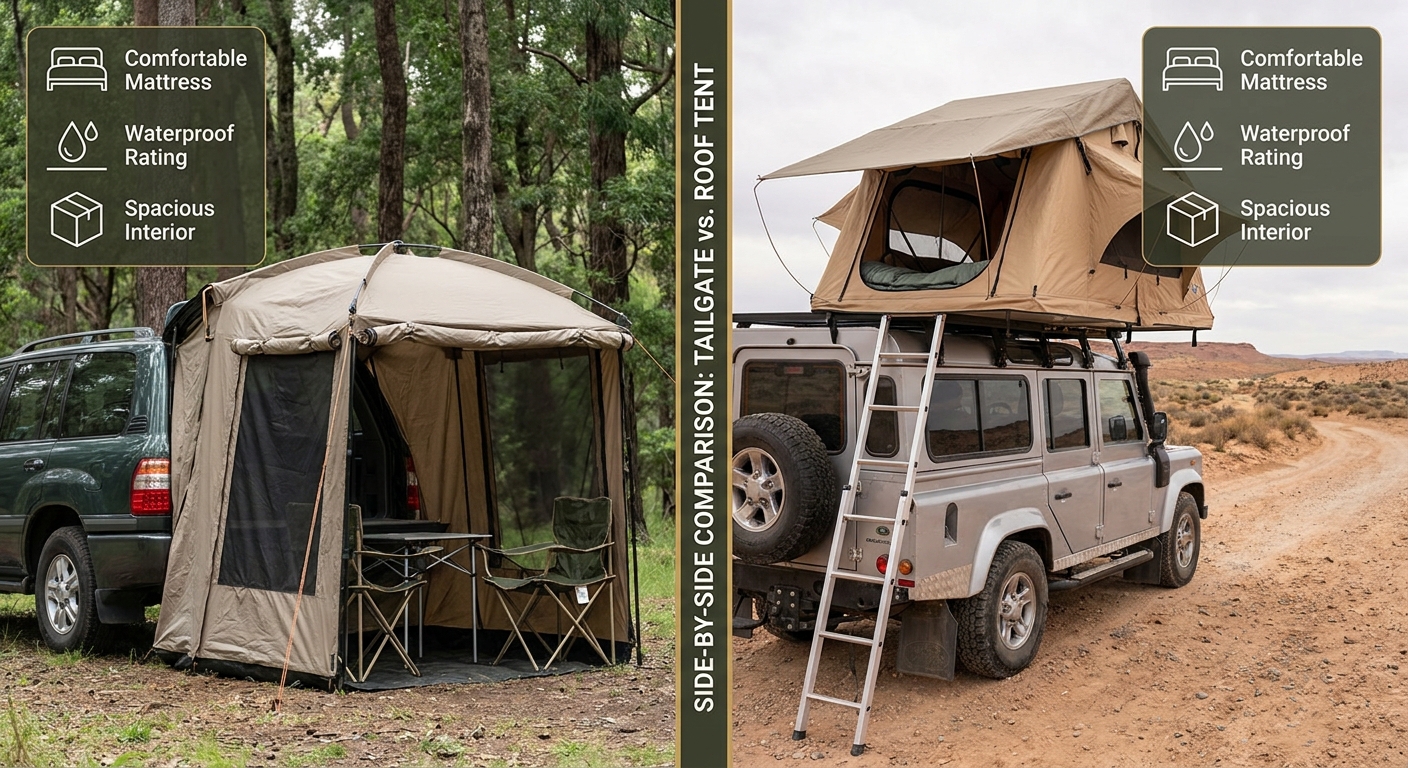
When deciding between a tailgate tent and a roof tent, start by listing your priorities: sleeping comfort, storage space, ease of setup, and budget. Tailgate tents generally offer more living space and are often more affordable, making The Ultimate SUV Tent Buyer’s Guidem a great entry point for families or those new to car camping. Roof tents, while typically pricier, provide a unique elevated sleeping area that’s hard to match for comfort and novelty.
Next, compare the key features of each option. Look for tailgate tents with robust waterproofing, easy-to-use attachment systems, and flexible layouts that can adapt to different vehicles. For roof tents, focus on mattress quality, ladder strength, and how quickly the tent can be deployed or packed away. Some roof tents also offer annexes or awnings for extra space, blurring the line between the two styles.
Don’t forget to factor in your usual group size and the type of trips you enjoy. If you often camp with friends or family, a tailgate tent’s communal space can be invaluable. For solo travellers or couples who move frequently, the convenience of a roof tent may outweigh the extra cost. For a deeper dive into specific models and expert recommendations, check out our comprehensive buyer’s guide, which breaks down the best options for every type of adventurer.
Common Mistakes and How to Avoid Them
One of the most frequent mistakes is overlooking the compatibility between your tent and vehicle. Many buyers are caught out by assuming a universal fit, only to find their chosen tent doesn’t attach securely or exceeds their car’s weight limit. Always double-check fitment guides and, if in doubt, contact the manufacturer or retailer for advice. This simple step can save you time, money, and frustration on your first trip.
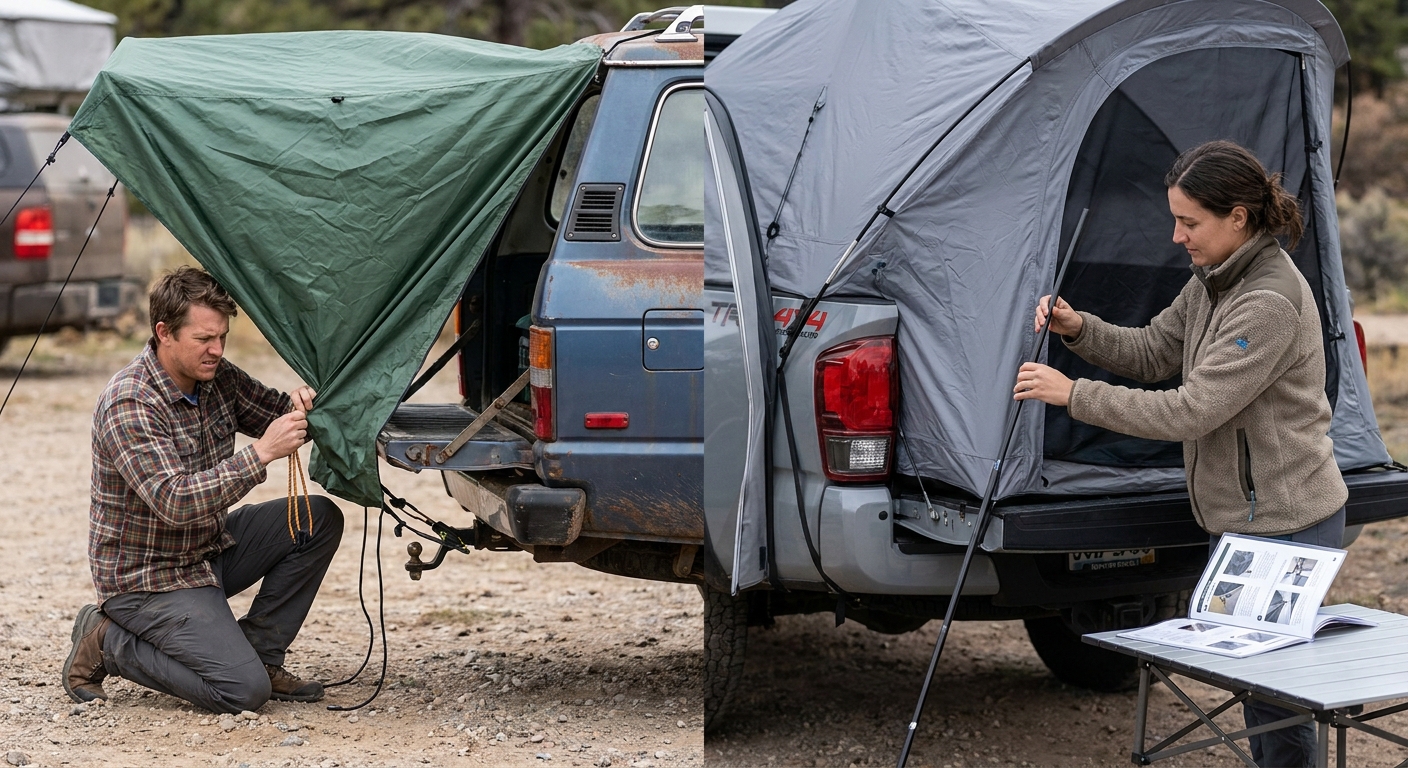
Another common pitfall is neglecting to practise setup before heading out. Both tailgate and roof tents have unique installation quirks, and learning in the field can be stressful—especially if the weather turns. Set up your tent at home or in a local park first, so you’re confident and efficient when it matters. Packing essential accessories, such as extra guy ropes, pegs, or a mallet, can also help you avoid last-minute surprises and ensure a smooth camping experience.
Frequently Asked Questions
Are tailgate tents or roof tents better for families?
Tailgate tents are often preferred by families due to their larger living space, easy access to the car, and flexibility for activities like cooking or playing. Roof tents can work for small families but are usually best for couples or solo travellers.
Do I need special equipment to install a roof tent?
Yes, you’ll need strong roof bars or a roof rack rated for the weight of the tent and its occupants. Always check your vehicle’s load limits and follow the tent manufacturer’s installation guidelines.
Can I use a tailgate tent in bad weather?
Modern tailgate tents are designed to withstand typical British weather, but performance varies by model. Look for tents with high waterproof ratings, strong seams, and secure attachments for the best protection.
How long does it take to set up each type of tent?
Tailgate tents can usually be set up in 10–20 minutes, depending on the design and your experience. Roof tents often deploy in a similar timeframe, but initial installation on your vehicle may take longer.
Choosing between a tailgate tent and a roof tent ultimately comes down to your camping style, group size, and comfort preferences. Both options can elevate your outdoor adventures, offering unique benefits for different situations. By considering your needs and doing a bit of research, you’ll find the perfect shelter to make your next trip unforgettable.