
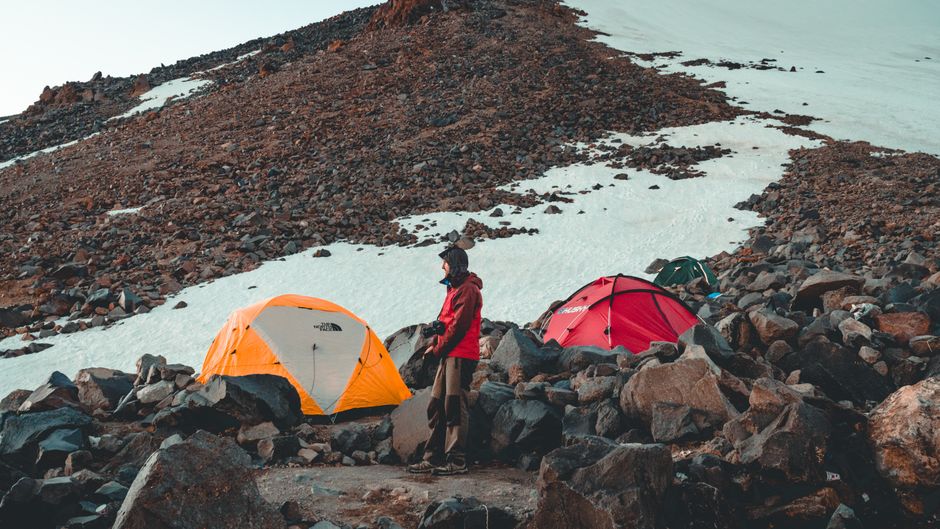
Will Your Tent Survive High Winds? Complete Guide to Tailgate Tent Durability and Wind Safety
Picture this: you’ve set up your tailgate tent for a perfect weekend camping trip when suddenly the weather turns. Wind speeds climb to 50 mph, and you’re left wondering whether your shelter will hold up or become a twisted mess of fabric and poles. Understanding tailgate tent durability in extreme weather conditions isn’t just about protecting your gear—it’s about ensuring your safety and the success of your outdoor adventures.
High winds pose one of the greatest threats to camping equipment, and tailgate tents face unique challenges due to their attachment to vehicles and often larger profiles. This comprehensive guide will help you understand wind ratings, choose the right tent for windy conditions, and implement crucial safety measures to keep you protected when Mother Nature shows her force.
Understanding Wind Ratings and Tent Classifications
Not all tents are created equal when it comes to wind resistance. Manufacturers typically rate their products using specific wind speed tolerances, but understanding these ratings requires knowing what they actually mean in real-world conditions.
Standard Wind Rating Categories
Most quality camping tents fall into these wind resistance categories:
- Light Wind (15-25 mph): Basic recreational tents suitable for fair weather camping
- Moderate Wind (25-35 mph): Three-season tents with reinforced guy lines and sturdy pole systems
- Strong Wind (35-50 mph): Four-season tents with aerodynamic designs and premium materials
- Extreme Wind (50+ mph): Mountaineering tents engineered for harsh alpine conditions
When evaluating tailgate tent durability, look for models specifically tested and rated for your expected conditions. A tent rated for 35 mph winds may survive brief gusts up to 50 mph, but sustained winds at that speed will likely cause failure.
Factors Affecting Wind Performance
Several design elements influence how well a tent handles wind:
- Profile and Shape: Lower, more aerodynamic designs shed wind better than tall, boxy structures
- Pole Configuration: More poles generally mean better wind resistance but also more potential failure points
- Fabric Quality: Ripstop nylon and polyester with proper denier ratings resist tearing in high winds
- Attachment Points: More guy-out points and reinforced stress areas improve stability
Tailgate Tent Design Considerations for Wind Resistance
Tailgate tents present unique challenges in windy conditions due to their attachment method and typical usage scenarios. Unlike freestanding tents that can be positioned in sheltered areas, tailgate tents must work with your vehicle’s location and orientation.
Vehicle Integration Benefits
The connection to your vehicle can actually provide significant advantages:
- Solid Anchor Point: Your vehicle weighs thousands of pounds, providing an unmovable anchor for one side of the tent
- Wind Break: The vehicle body can shield the tent from prevailing winds when properly oriented
- Structural Support: Quality tailgate tents use the vehicle’s tailgate or roof as part of their structural system
However, these benefits only apply when the tent is properly designed and installed. Poor attachment systems or inadequate integration can create weak points that fail catastrophically in high winds.
Critical Design Features for Wind Performance
When selecting a weatherproof tailgate tent, prioritize these wind-resistant features:
- Reinforced Attachment Points: Look for heavy-duty straps, buckles, and connection hardware
- Aerodynamic Profile: Avoid overly tall or boxy designs that catch wind like a sail
- Multiple Guy Lines: More tie-down points distribute wind loads across the entire structure
- Quality Zippers: Storm flaps and robust zippers prevent wind from getting inside and pressurizing the tent
Material Selection and Construction Quality
The materials and construction methods used in your tailgate tent directly impact its ability to withstand high winds. Understanding these technical specifications helps you make informed purchasing decisions.
Fabric Technologies
Modern tent fabrics offer impressive strength-to-weight ratios:
- Ripstop Nylon: Reinforced weave patterns prevent small tears from propagating
- Polyester Blends: Better UV resistance and dimensional stability than pure nylon
- Denier Ratings: Higher denier numbers indicate thicker, stronger fibers (look for 70D minimum for wind resistance)
- Waterproof Coatings: PU and silicone coatings add strength while maintaining flexibility
For maximum tailgate tent durability, seek fabrics with both high tear strength and good flexibility to absorb wind energy without failure.
Pole and Hardware Systems
The structural elements of your tent are equally crucial:
- Aluminum Alloy Poles: Lightweight yet strong, with good fatigue resistance
- Steel Components: Heavier but extremely durable for high-stress applications
- Shock Cord Systems: Proper tensioning prevents pole separation under load
- Hardware Quality: Stainless steel or anodized aluminum resists corrosion and maintains strength
Proper Setup Techniques for Maximum Wind Resistance
Even the best tailgate tent will fail in high winds if not properly set up. Following correct installation procedures is crucial for both safety and equipment longevity.
Site Selection and Vehicle Positioning
Your choice of campsite and vehicle orientation significantly impacts wind exposure:
- Natural Wind Breaks: Position your vehicle to use hills, trees, or rock formations as shields
- Wind Direction: Orient the tent’s lowest profile toward prevailing winds
- Escape Routes: Ensure you can quickly access your vehicle if conditions deteriorate
- Ground Conditions: Firm, level ground provides better stake holding power
For detailed setup instructions, refer to our How to Put Up a Tailgate Tent: A Step-by-Step Guide for comprehensive installation techniques.
Tensioning and Guy Line Management
Proper tensioning is critical for wind resistance:
- Even Tension: Distribute loads equally across all guy lines and stakes
- Angle Optimization: Guy lines should extend at 45-degree angles from attachment points
- Progressive Tightening: Adjust tension gradually as you work around the tent
- Regular Checks: Monitor and re-tension lines as fabric stretches and settles
Safety Protocols and Risk Management
Camping tent safety in wind requires proactive planning and the wisdom to know when conditions exceed your equipment’s capabilities.
Weather Monitoring
Stay informed about changing conditions:
- Multiple Sources: Use weather apps, NOAA radio, and local observations
- Trend Analysis: Watch for rapidly changing barometric pressure
- Wind Speed Tools: Carry a small anemometer to measure actual conditions
- Safety Margins: Plan for conditions 25% worse than forecasted
Emergency Procedures
Develop clear protocols for deteriorating conditions:
- Damage Assessment: Know how to quickly evaluate structural integrity
- Rapid Takedown: Practice emergency disassembly procedures
- Alternative Shelter: Your vehicle should always be your backup shelter plan
- Communication Plans: Ensure you can call for help if needed
Maintenance and Longevity Tips
Regular maintenance extends your tent’s wind resistance capabilities and identifies potential failure points before they become dangerous.
Inspection Routines
Conduct thorough inspections after each use:
- Fabric Integrity: Check for tears, weak spots, or UV damage
- Hardware Function: Test all zippers, buckles, and adjustment mechanisms
- Pole Condition: Look for dents, cracks, or loose connections
- Waterproofing: Assess coating condition and reapply treatments as needed
Storage and Care
Proper storage prevents degradation:
- Complete Drying: Never store wet fabric to prevent mold and weakening
- Loose Storage: Avoid tight compression that can damage materials
- Climate Control: Store in consistent temperature and humidity conditions
- UV Protection: Keep stored tents away from direct sunlight
Product Recommendations and Testing
When researching weatherproof tailgate tents, look for models with documented wind testing and real-world performance data. Our Hasika Tailgate Tent Review: Complete Analysis and Performance Test provides detailed insights into how specific models perform under controlled wind conditions.
For comprehensive comparisons of wind-resistant options, our The Ultimate SUV Tent Buyer’s Guide: Expert Reviews and Top Picks evaluates multiple models specifically for durability and weather resistance.
Conclusion: Balancing Performance and Safety
Understanding tailgate tent durability in high winds requires balancing equipment capabilities with realistic risk assessment. While modern weatherproof tailgate tents can handle impressive wind loads, no camping equipment is worth risking your safety. The key is choosing quality gear, setting it up properly, and maintaining the judgment to seek better shelter when conditions exceed safe limits.
Remember that camping tent safety in wind is ultimately about preparation, quality equipment, and conservative decision-making. By following the guidelines in this comprehensive guide, you’ll be better equipped to enjoy outdoor adventures while staying safe when the weather turns challenging.