
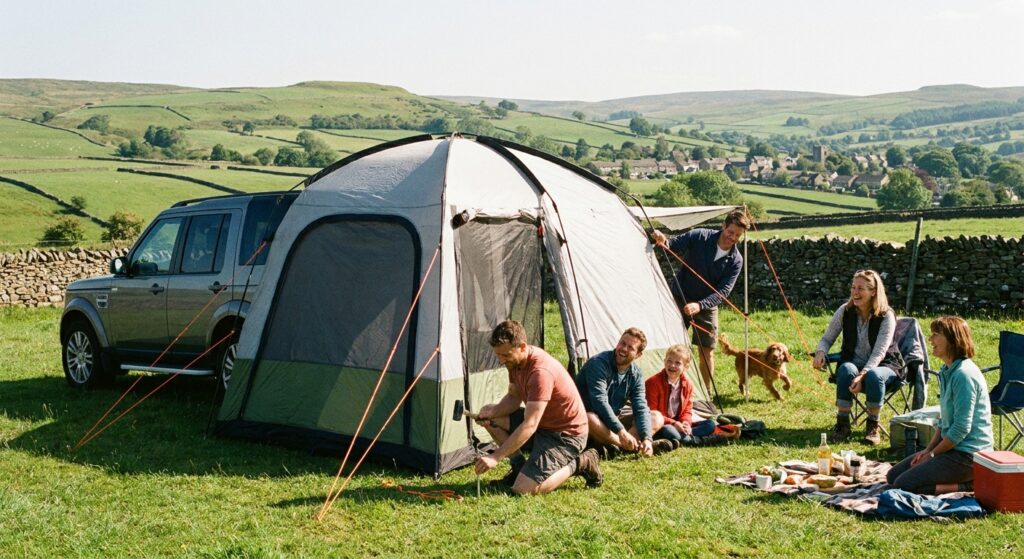
Whether you’re heading to a festival, planning a weekend camping trip, or setting up for a match day, a tailgate tent can transform your outdoor experience. But with the freedom and flexibility these shelters offer comes the responsibility of ensuring everyone stays safe. Understanding the right safety practices will help you enjoy your adventures with confidence and peace of mind.
What Tailgate Tent Safety Is and Why It Matters
Tailgate tent safety refers to the set of practices and precautions that ensure your shelter remains secure, stable, and hazard-free during use. While tailgate tents are designed for convenience and comfort, overlooking basic safety measures can quickly turn a relaxing day outdoors into a stressful situation. From unpredictable British weather to bustling event crowds, the risks are real and varied.
For UK campers and outdoor enthusiasts, safety is not just about protecting your gear but also about safeguarding your friends, family, and fellow adventurers. Properly securing your tent, understanding fire risks, and being aware of your surroundings are all crucial. Whether you’re a seasoned overlander or a family heading out for your first wild camping trip, prioritising safety ensures your memories are filled with laughter, not mishaps.
Key Benefits, Uses or Reasons People Choose Tailgate Tent Safety
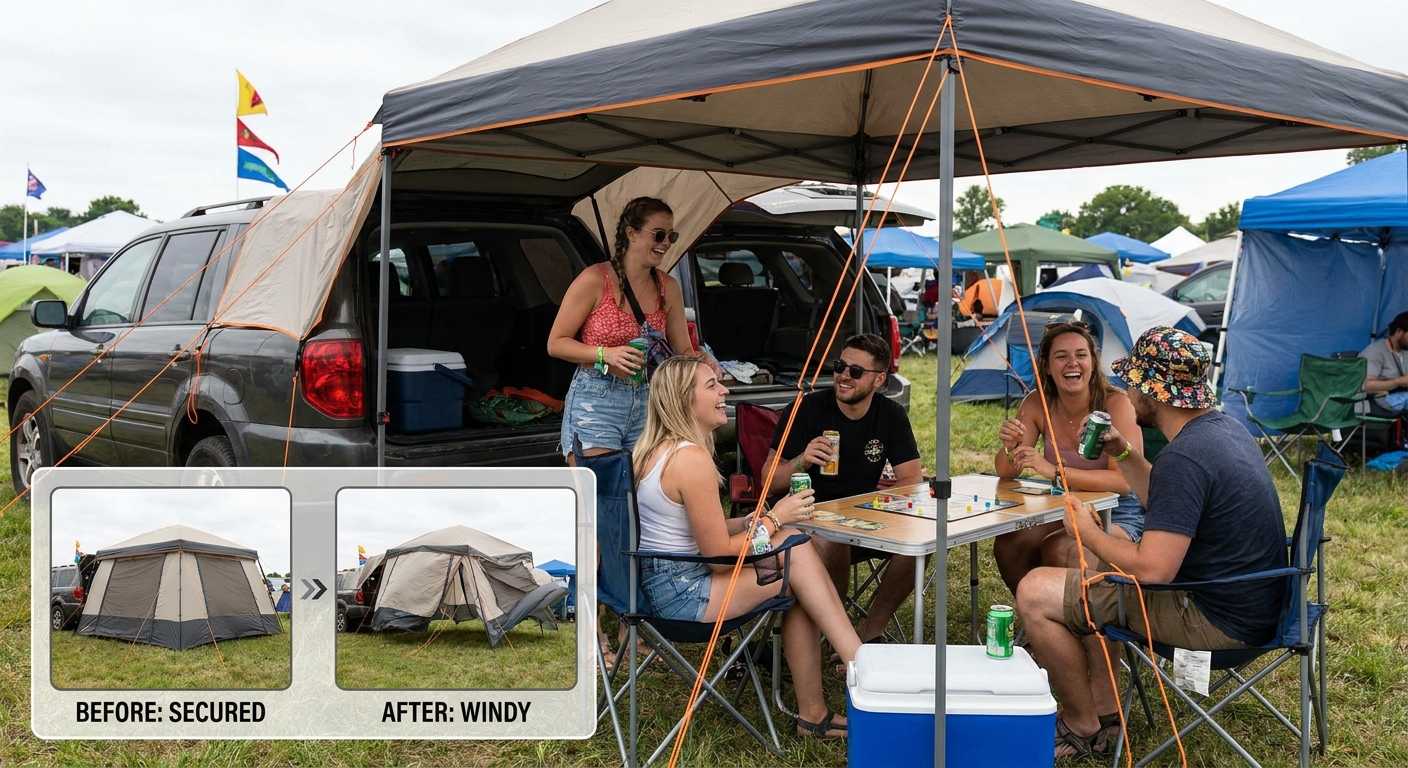
Embracing tailgate tent safety offers peace of mind, allowing you to focus on enjoying the outdoors rather than worrying about potential accidents. For example, securely anchoring your tent means you won’t be caught off guard by a sudden gust of wind, a common occurrence at coastal campsites or open festival grounds. This simple precaution can prevent costly damage to your equipment and avoid injuries caused by collapsing structures.
Practising good safety habits also means you’re prepared for the unexpected. In real-world scenarios, such as a quick change in weather or a crowded car park at a sporting event, knowing how to set up your tent safely can make all the difference. It ensures your shelter remains a haven, not a hazard, even when conditions are less than ideal.
Finally, prioritising safety helps you set a positive example for others, especially if you’re camping with children or newcomers. Demonstrating how to check for overhead hazards, keep entrances clear, and manage fire risks encourages responsible outdoor behaviour. These habits not only protect your group but contribute to a safer, more enjoyable environment for everyone around you.
Important Things to Know Before You Start or Buy
Before purchasing or setting up a tailgate tent, it’s vital to understand the specific safety features and limitations of different models. Not all tents are created equal—some offer reinforced frames, while others prioritise lightweight portability. Consider the typical weather conditions you’ll face in the UK, such as strong winds or persistent rain, and choose a tent that’s rated for stability and waterproofing. Reading user reviews and expert guides can help you identify models that consistently perform well in challenging conditions.
One common beginner mistake is underestimating the importance of proper anchoring. Many first-time users rely solely on the weight of their vehicle or a few pegs, only to find their tent shifting or collapsing when the wind picks up. Always use all provided guy lines, stakes, and sandbags, and double-check that your tent is pitched on level ground. Avoid setting up near trees with overhanging branches or in low-lying areas prone to flooding.
Another key consideration is fire safety. Never use open flames or cook inside your tent, no matter how tempting it might be on a chilly evening. Always keep stoves, lanterns, and heaters well away from tent walls and entrances. Investing in a tent with flame-retardant materials and ensuring you have a fire extinguisher or blanket on hand are practical steps that can prevent serious accidents.
How to Choose the Right Tailgate Tent for Safety
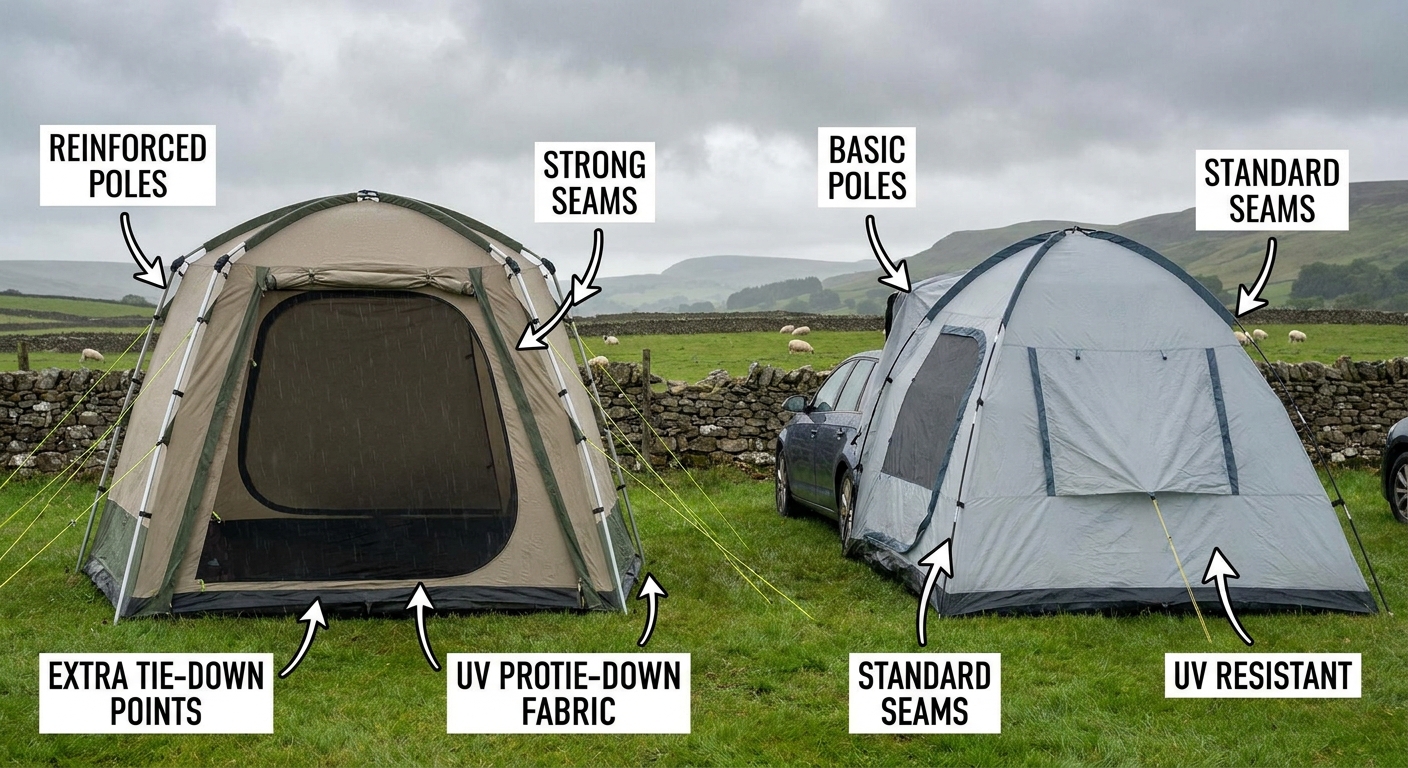
Selecting a safe tailgate tent starts with understanding your specific needs and the environments you’ll encounter. Look for models that offer robust construction, such as reinforced poles and heavy-duty fabrics, which can withstand the unpredictable British weather. Tents with high-quality zippers, secure attachment points, and strong seams are less likely to fail when you need them most.
Comparing features is essential. Some tents come with integrated wind panels, UV-resistant coatings, or additional tie-down points, all of which enhance safety and comfort. Consider the size of your group and the activities you’ll be doing—larger tents may offer more space but can be harder to secure in windy conditions. Reading expert reviews and comparison guides can help you weigh up the pros and cons of different models, ensuring you make an informed choice.
Finally, don’t overlook ease of setup. A tent that’s complicated or time-consuming to pitch increases the risk of mistakes, especially if you’re caught in bad weather or setting up after dark. Look for options with clear instructions, colour-coded poles, and quick-attach systems. If you’re new to tailgate tents, practising at home before your trip can boost your confidence and help you spot any potential issues before they become problems in the field.
Common Mistakes and How to Avoid Them
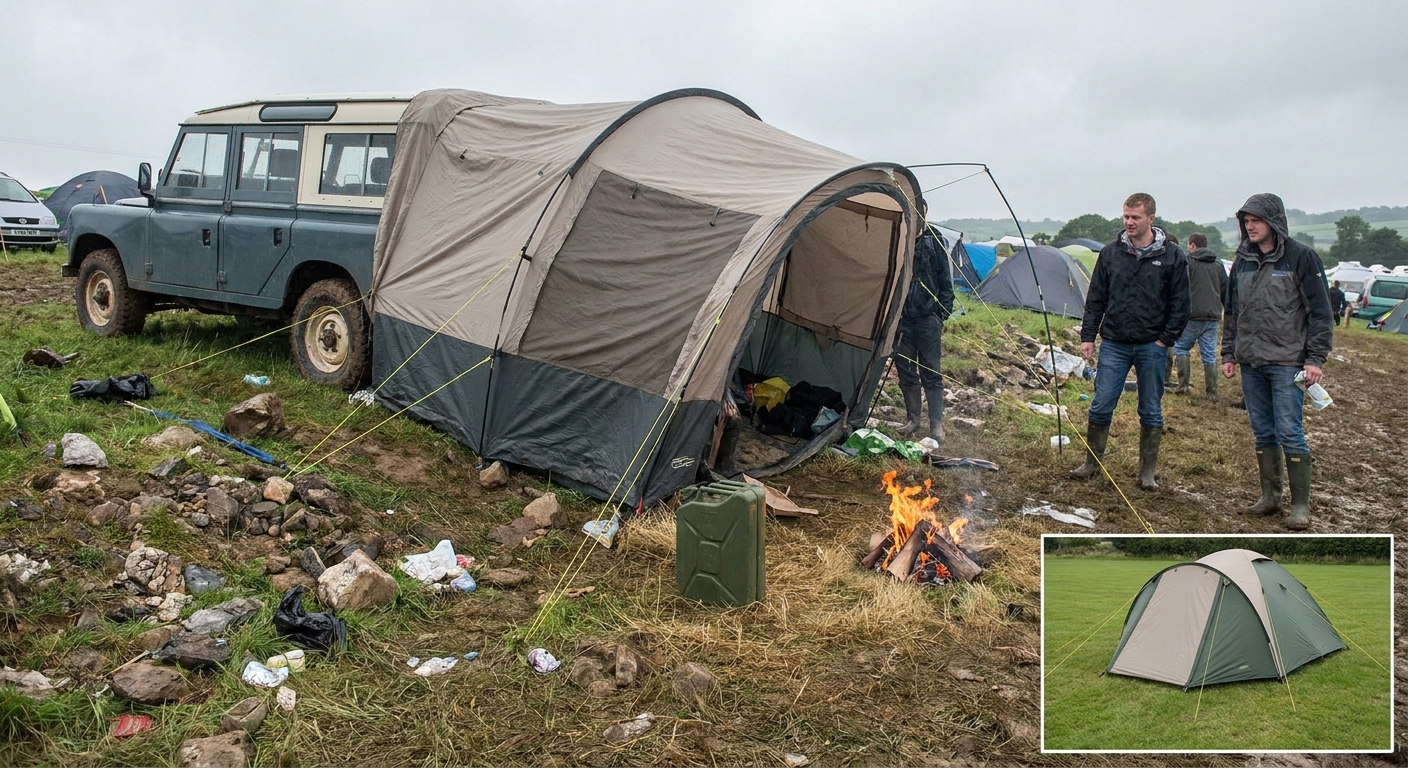
One of the most frequent mistakes is neglecting to check the ground before pitching your tent. Setting up on uneven or unstable terrain can lead to water pooling, tripping hazards, or even structural failure. Always take a few extra minutes to clear debris, level the area, and ensure your tent is positioned away from potential hazards like fire pits or vehicle traffic.
Another common pitfall is improper use of guy lines and stakes. Many campers skip this step, especially in calm weather, only to regret it when conditions change. Always use all available securing points, and regularly inspect them throughout your stay. If you notice any slack or movement, adjust immediately to maintain stability. By staying vigilant and proactive, you can prevent most safety issues before they escalate, ensuring your outdoor experience remains enjoyable and stress-free.
Frequently Asked Questions
How do I secure my tailgate tent in windy conditions?
Always use all provided guy lines and stakes, and add extra sandbags or weights if possible. Position your tent with the narrowest side facing the wind and avoid pitching near open, exposed areas when strong gusts are expected.
Can I use a heater or stove inside my tailgate tent?
It’s not recommended to use open flames or gas appliances inside your tent due to fire and carbon monoxide risks. Always cook and heat outside, and keep all flammable materials well away from the tent fabric.
What should I do if my tent starts to collapse or shift?
Immediately evacuate the tent and check all anchoring points. Re-secure guy lines and stakes, and reposition the tent if necessary. If the weather is severe, consider packing up and seeking shelter in your vehicle.
Prioritising tailgate tent safety is the key to making the most of your outdoor adventures, whether you’re camping, tailgating, or enjoying a festival. By understanding the risks, choosing the right equipment, and practising good habits, you’ll create a secure and welcoming space for everyone. Remember, a little preparation goes a long way towards ensuring every trip is memorable for all the right reasons.